Music Classes for Toddlers in Singapore: Benefits and Class Formats
- Education
Joanna C. Holt
- 0
- 6 minutes read
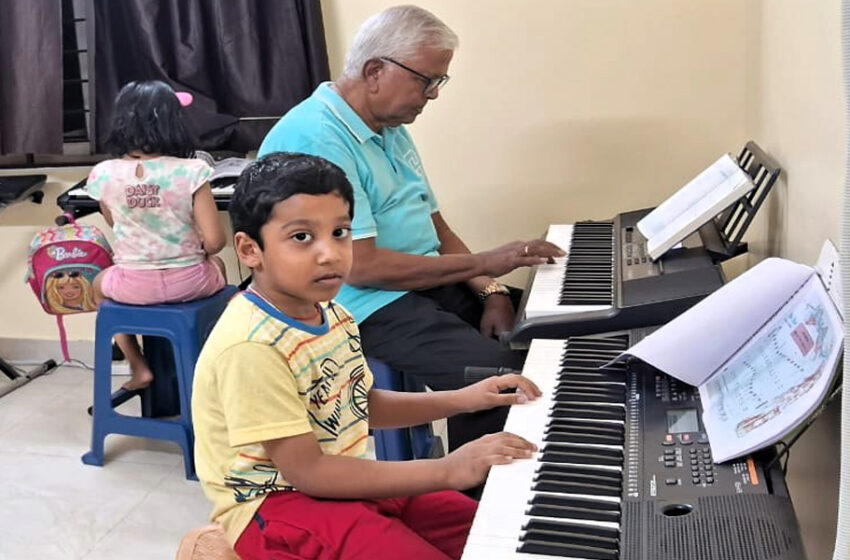
The decision to enrol a child in a music class for toddlers Singapore offers can be traced to a confluence of factors that define modern parenting in the city-state: intense educational competition, evidence-based child development research, and a cultural premium placed on early enrichment. Walk through any HDB estate or private condominium on a weekday morning, and you will encounter parents guiding small children, some barely walking, toward community centres and private studios offering early childhood music programmes. What drives this phenomenon, and what actually happens inside these classes, deserves closer examination.
The Neuroscience Behind Early Musical Exposure
The research supporting early music education has accumulated steadily over the past three decades. Studies from institutions ranging from the University of Southern California to the National University of Singapore demonstrate that musical engagement during the toddler years, roughly ages eighteen months to three years, produces measurable changes in brain development. Neural pathways associated with language processing, spatial reasoning, and emotional regulation show enhanced activity in children exposed to structured musical experiences.
Active participation, which music class for toddlers singapore emphasise, produces significant developmental benefits. Children who participate in early music classes typically demonstrate:
- Accelerated language acquisition and vocabulary development
- Improved gross and fine motor coordination
- Enhanced social skills through group interaction
- Stronger pattern recognition abilities
- Better emotional regulation and expression
Local educators report that “toddlers attending regular music sessions for six months or more show notably improved attention spans compared to peers without musical enrichment, a difference particularly evident in preschool readiness assessments.” This observation aligns with broader research findings whilst reflecting Singapore’s educational culture where kindergarten preparation begins increasingly early.
The Methodologies: How Different Approaches Shape Experience
The landscape of early childhood music education Singapore features several established methodologies, each with distinct philosophical foundations. Understanding these differences helps parents make informed choices rather than simply selecting the most convenient option.
The Kindermusik approach emphasises parent-child bonding through musical activities. Classes incorporate movement, instrument play, and vocal exercises designed for toddler attention spans. Sessions typically last forty-five minutes and follow predictable structures that provide security for young children.
The Music Together philosophy focuses on natural music-making without performance pressure. The method assumes all children are musical and simply need nurturing environments. Activities include:
- Circle time with simple songs and finger plays
- Instrument exploration without formal instruction
- Movement activities that develop rhythm and coordination
- Take-home materials extending learning beyond class time
The Orff Schulwerk method, whilst traditionally used with older children, has been adapted for toddlers in some Singapore programmes, emphasising creativity and improvisation.
Class Formats and Practical Considerations
The structure of Singapore toddler music sessions varies considerably across providers. Most programmes require parent or caregiver participation, recognising that toddlers function best with familiar adults present. This co-attendance serves multiple purposes. Parents learn songs and activities they can replicate at home, extending musical engagement beyond weekly sessions. They also observe child development principles in action, gaining insights applicable to broader parenting challenges.
Class sizes typically range from six to twelve parent-child pairs. Smaller groups allow more individualised attention but may lack the energy larger groups generate. Purpose-built studios with age-appropriate instruments, cushioned flooring, and acoustic considerations provide advantages over makeshift spaces.
Scheduling presents its own complexities:
- Morning sessions generally suit toddler energy patterns and nap schedules
- Weekend classes accommodate working parents but often fill quickly
- Trial classes before commitment help assess fit
The Investment: Costs and Value Proposition
The financial commitment for music classes for young children in Singapore reflects the city-state’s premium positioning in most service sectors. Monthly fees typically range from one hundred fifty to three hundred fifty dollars for weekly sessions. Some subsidies exist through community development councils, though availability varies by neighbourhood and family income level.
Beyond tuition, hidden costs accumulate. Many programmes encourage purchasing home activity kits, instrument sets, or recorded music collections. A realistic annual budget might reach four to five thousand dollars, a sum that prompts legitimate questions about return on investment.
Yet calculating value proves difficult with intangibles. How does one quantify a toddler’s joy during favourite songs or the confidence a shy child gains from successfully completing an activity? Singapore parents often justify the expense through comparisons with alternative enrichment activities or by viewing it as preventive investment against future learning difficulties.
Cultural Context: Music Education in Singapore’s Competitive Landscape
The proliferation of toddler music instruction in Singapore cannot be understood apart from broader educational pressures characterising the nation. A 2023 survey found that seventy-two percent of Singapore toddlers attend at least one structured enrichment programme. Music classes compete with infant swimming, Mandarin immersion, and various motor skills programmes for limited family time and resources.
This intensity reflects both government messaging emphasising lifelong learning and parental anxieties about securing educational advantages. Music classes occupy an interesting position in this ecosystem, providing structure and socialisation whilst maintaining the pretence of being primarily about joy and creativity.
For families navigating Singapore’s dense offerings, understanding the genuine benefits and recognising quality programming proves essential to making choices serving children’s actual developmental needs with a music class for toddlers singapore provides.