Social Skills Practice Through English Speech And Drama Partner Tasks
- Education
Clare Louise
- 0
- 7 minutes read
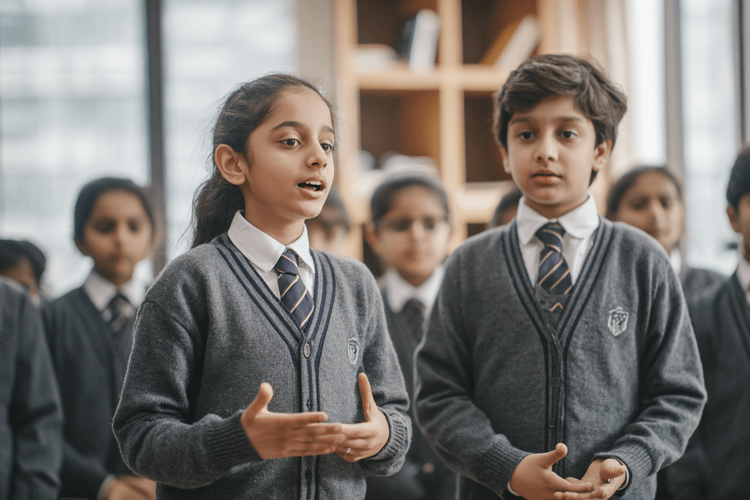
Children need more than academic knowledge to succeed in life. They need confidence, communication skills, and the ability to work well with others. An English speech and drama programme offers a natural way to develop these essential skills through creative partner activities.
Why Partner Work Matters for Social Development
Working with a partner teaches children skills they cannot learn alone. They must listen carefully, share ideas, and compromise when opinions differ. These experiences mirror real-world interactions they will face throughout their lives.
Drama activities require children to make eye contact and read body language. They learn to pick up on subtle cues that show how others feel. This awareness helps them respond appropriately in social situations.
Partner tasks also build empathy. When children take on different roles and perspectives, they begin to understand how others think and feel. This understanding forms the foundation of healthy relationships.
Building Confidence Through Structured Activities
Many children feel nervous about speaking in front of others. Partner work provides a gentle introduction to performance. Starting with just one other person feels less daunting than addressing a large group.
Simple exercises like mirroring movements or improvising short dialogues help children find their voice. They practice expressing themselves in a safe, supportive environment. Success in these small moments builds confidence gradually.
As children grow more comfortable, they tackle more complex challenges. They might rehearse scenes together or create their own stories. Each achievement strengthens their belief in their abilities.
Communication Skills in Action
Speech and drama activities demand clear communication. Children must explain their ideas so partners can understand and contribute. This back-and-forth exchange teaches them to articulate thoughts effectively.
When misunderstandings occur, children learn to clarify and adjust. They discover that communication is a two-way process. Listening matters just as much as speaking.
An English speech and drama programme also expands vocabulary naturally. Children encounter new words in scripts and conversations. They learn to use language creatively and precisely.
Problem-Solving Through Creative Collaboration
Partner tasks often present challenges that require teamwork. How will two characters resolve their conflict? What happens next in the story? Children must work together to find solutions.
This collaborative problem-solving teaches flexibility. When one approach does not work, they try another. They learn that different people bring different strengths to a task.
Drama activities encourage children to think on their feet. Improvisation exercises particularly help them adapt quickly to changing situations. These skills transfer directly to everyday life.
Managing Emotions and Building Resilience
Performing with a partner can feel vulnerable. Children experience nervousness, excitement, and sometimes disappointment. They learn to manage these emotions constructively.
When things go wrong during a performance, children practice resilience. They support each other through mistakes and keep going. This experience teaches them that setbacks are temporary and manageable.
Celebrating successes together strengthens bonds. Children learn to acknowledge their partner’s contributions and share credit. These habits foster generosity and mutual respect.
Creating Lasting Friendships
Drama partner work often sparks genuine friendships. Children spend time together, share experiences, and support each other’s growth. These connections can extend beyond the classroom.
Working closely with different partners also teaches children to appreciate diversity. They discover that people have different working styles and perspectives. This understanding helps them navigate various social settings.
Regular participation in an English speech and drama programme creates a sense of community. Children feel they belong to something meaningful. This belonging supports their overall wellbeing.
Practical Benefits for Daily Life
The skills children develop through drama partner work apply everywhere. At school, they participate more confidently in group projects. They contribute ideas and listen to classmates respectfully.
At home, improved communication helps children express their needs clearly. They become better at resolving conflicts with siblings. Parents often notice increased maturity and self-awareness.
These activities prepare children for future challenges. Job interviews, presentations, and team projects all require the skills they practice now. Starting young gives them a significant advantage.
Drama partner activities offer children a rich environment for social growth. Through creative collaboration, they build confidence, communication skills, and lasting relationships that serve them throughout life.